

modern frosted glass
Understanding Industrial Vibration Pads A Comprehensive Overview In various industrial and manufacturing settings, vibration control is essential for maintaining equipment integrity and ensuring smooth operations. One effective way to mitigate excessive vibrations is through the use of industrial vibration pads. These pads serve as a crucial component in supporting machinery, minimizing vibrations, and enhancing overall productivity. What Are Industrial Vibration Pads? Industrial vibration pads are specialized materials designed to absorb and dampen vibrations produced by machinery and equipment. They are typically made from materials that exhibit excellent vibration-damping properties, such as rubber, neoprene, or polyurethane. These materials are engineered to provide a resilient support base that alleviates the impact of vibrations on structures and personnel. Types of Vibration Pads Vibration pads come in various shapes, sizes, and materials, each suited to specific applications. Here are a few common types 1. Rubber Vibration Pads Known for their elasticity and durability, rubber vibration pads are widely used in industrial settings. They effectively absorb shocks and reduce noise levels, making them ideal for heavy machinery and equipment. 2. Neoprene Pads Neoprene is a synthetic rubber that offers excellent weather resistance and chemical stability. Neoprene vibration pads are often used in environments where exposure to oils, solvents, or temperature fluctuations is common. 3. Polyurethane Pads These pads provide a higher load-bearing capacity and are suitable for heavy-duty applications. Polyurethane pads are resistant to abrasion and wear, making them an ideal choice in demanding industrial environments. 4. Foam Pads Although less durable than rubber or neoprene, foam pads can be effective for lighter machinery and applications where limited vibration control is needed . Benefits of Using Vibration Pads 1. Enhanced Equipment Longevity By absorbing vibrations, these pads reduce wear and tear on machinery, leading to prolonged operational life. This proactive approach to maintenance can save organizations significant money in repair and replacement costs over time. industrial vibration pads 2. Noise Reduction Excessive vibrations often result in high noise levels, which can lead to uncomfortable working conditions. Vibration pads help to dampen sound transmission, creating a quieter and more conducive work environment. 3. Improved Worker Safety High levels of vibration can pose health risks to workers, including musculoskeletal disorders. By using vibration pads, companies can create safer working conditions that minimize the risk of injury. 4. Operational Efficiency Machines that operate smoothly without excessive vibration tend to perform better, providing higher efficiency and productivity levels. This contributes to optimized workflows and improved overall performance. How to Select the Right Vibration Pad Choosing the right vibration pad involves considering several factors, including - Load Capacity Ensure the pad can support the weight of the machinery and any dynamic loads that may occur during operation. - Frequency Identify the frequency of the vibrations that need to be controlled. Different materials and designs are better suited for specific vibration frequencies. - Environmental Conditions Consider factors such as temperature, exposure to chemicals, and moisture levels to select a pad that will perform optimally in the given environment. - Size and Shape The pad must fit the footprint of the equipment for maximum effectiveness. Custom-sized pads may be necessary for unique machinery designs. Conclusion Industrial vibration pads are an indispensable tool in the realm of vibration control within manufacturing and industrial environments. By effectively absorbing vibrations and reducing noise, these pads contribute to equipment longevity, enhanced workplace safety, and improved operational efficiency. As industries continue to prioritize productivity and safety, the role of vibration pads will undoubtedly become increasingly prominent. Understanding the types and benefits of these pads allows organizations to make informed decisions that support their operational goals while fostering a safer, more efficient working environment.
about
modern frosted glass
Tipos de Válvulas de Control y sus Aplicaciones Las válvulas de control son dispositivos esenciales en el ámbito de la ingeniería y la automatización industrial. Se utilizan para regular el flujo, la presión y la temperatura de los fluidos en sistemas de tuberías. La elección del tipo adecuado de válvula de control es fundamental para asegurar la eficiencia y el funcionamiento óptimo de cualquier proceso. A continuación, se presentan los tipos más comunes de válvulas de control y sus aplicaciones. 1. Válvulas de Glóbulo Las válvulas de glóbulo son una de las más utilizadas en aplicaciones de control de flujo. Se caracterizan por su cuerpo esférico y su disco de cierre que se mueve perpendicularmente al flujo. Estas válvulas ofrecen una buena capacidad de control y son ideales para aplicaciones que requieren un manejo preciso del flujo, como en sistemas de refrigeración, calefacción y en procesos químicos. Su diseño permite un fácil mantenimiento, lo que las hace populares en muchas industrias. 2. Válvulas de Mariposa Las válvulas de mariposa son otra opción común en el control de flujo. Su diseño consiste en un disco que gira alrededor de un eje, permitiendo así abrir y cerrar el paso del fluido. Son especialmente adecuadas para aplicaciones donde el espacio es limitado, como en tuberías de diámetro grande. Estas válvulas son fáciles de operar y, debido a su construcción, ofrecen una baja resistencia al flujo, lo que las hace adecuadas para sistemas de gran caudal, como en la industria del agua y aguas residuales. 3. Válvulas de Achique Las válvulas de achique, también conocidas como válvulas de compuerta, son utilizadas principalmente en aplicaciones que requieren el cierre total del flujo. Su diseño permite un paso completamente despejado cuando se encuentran en la posición abierta. Aunque no son ideales para el control preciso del flujo, son muy efectivas en situaciones donde se necesita cortar o permitir el flujo de manera rápida, como en sistemas de drenaje y en aplicaciones industriales donde se requiere un control de flujo mínimo. 4. Válvulas de Diafragma control valve types and applications Las válvulas de diafragma son ideales para aplicaciones que requieren un control preciso de fluidos corrosivos o contaminantes. Estas válvulas utilizan un diafragma flexible para abrir y cerrar el flujo. Este diseño no solo proporciona un control eficiente, sino que también minimiza el riesgo de contaminación, haciendo de esta válvula una elección popular en la industria farmacéutica y alimentaria. Su capacidad para manejar fluidos agresivos las convierte en una herramienta esencial en diversas aplicaciones químicas. 5. Válvulas de Bola Las válvulas de bola son conocidas por su capacidad para ofrecer un cierre hermético. Están compuestas por una bola perforada que gira en su interior, permitiendo el paso del fluido. Aunque su función principal es permitir o bloquear el flujo, también se utilizan en aplicaciones de control debido a su rapidez de operación y su capacidad para manejar altas presiones y temperaturas. Son comúnmente empleadas en la industria del petróleo, gas y agua. Aplicaciones de las Válvulas de Control Las válvulas de control se utilizan en una amplia variedad de aplicaciones industriales. Algunos de los sectores donde su implementación es crucial incluyen - Industria Química Para regular la mezcla de reactivos y controlar el flujo de productos químicos a través de las plantas. - Tratamiento de Aguas En sistemas de tratamiento, filtración y distribución de agua potable. - Industria Alimentaria Para controlar la temperatura y flujo de productos durante el procesamiento y envasado. - Centrales Eléctricas En turbinas y sistemas de refrigeración donde el control de temperatura y presión es crítico. Conclusión La elección de la válvula de control adecuada depende de varios factores, incluida la naturaleza del fluido, el rango de presión y temperatura, y las necesidades específicas de control. Entender los diferentes tipos de válvulas y sus aplicaciones ayuda a optimizar el rendimiento de los sistemas industriales, garantizando no solo eficiencia sino también seguridad en las operaciones. Con el avance de la tecnología, las válvulas de control continúan evolucionando, ofreciendo soluciones más sofisticadas para los desafíos industriales actuales.
-

High quality industrial productsagement

High quality industrial products
View Details -

Meet the diverse needs of customers

Meet the diverse needs of customers
View Details -

Strict quality control

Strict quality control
View Details -

Top raw materials

Top raw materials
View Details -

Trusted supplier

Trusted supplier
View Details
Our application
news and information

Water Gate Valve Pricing Guide for Affordable Options and Quality Choices
water gate valve price
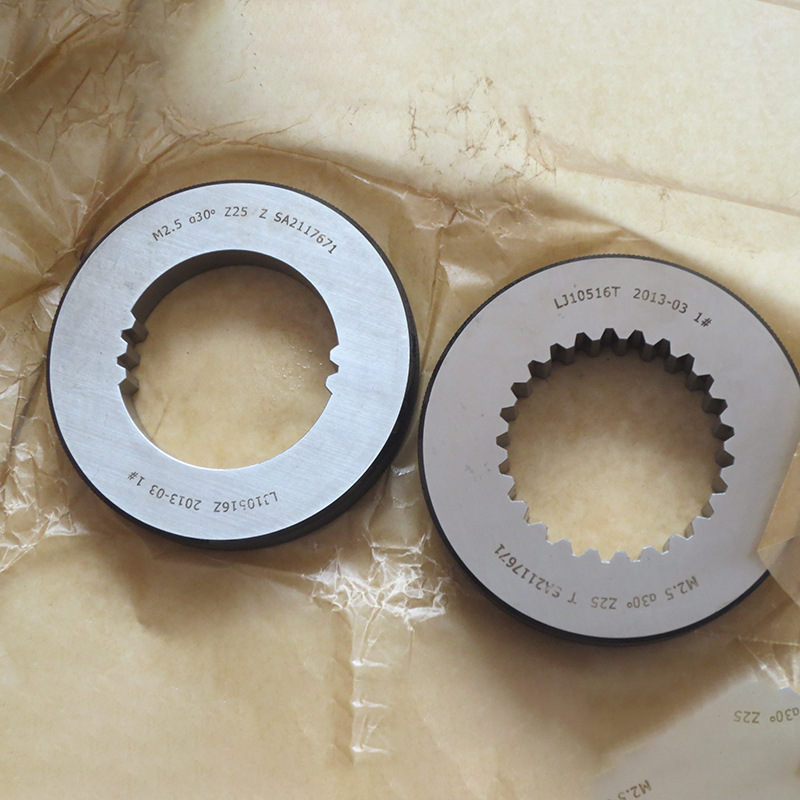
Water Flow Control Using Valve Mechanisms for Efficient Management
The Importance of Valve Water Management in Modern Industry In today's industrial landscape, effecti
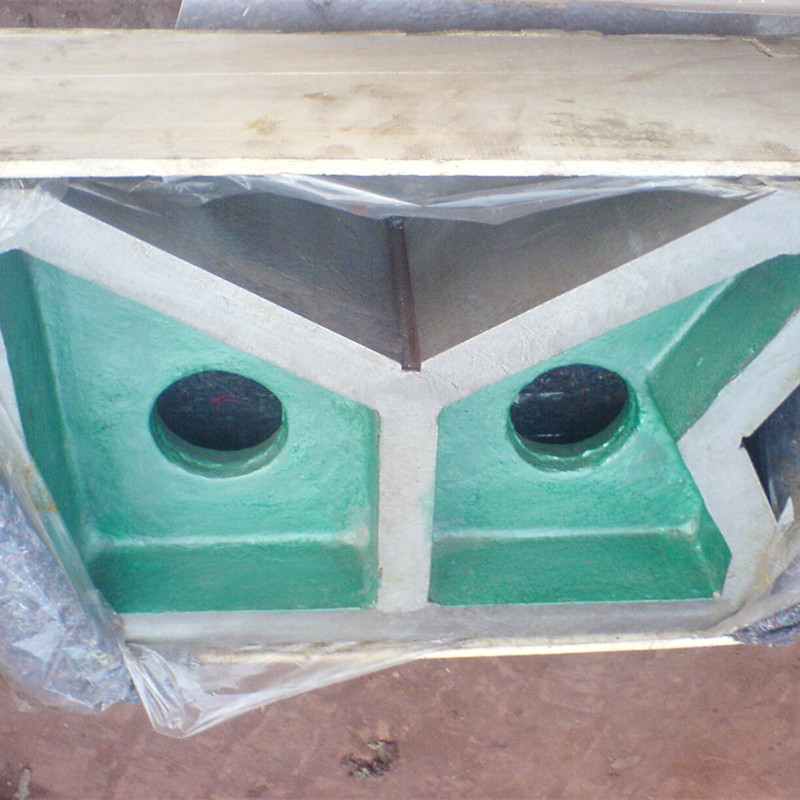
Wholesale Supply Solutions for Valves and Related Components
Understanding the Valve Wholesale Industry Trends and Insights In the dynamic landscape of industria
 English